

GO Outdoors is built around a simple idea: getting people outside without overthinking the gear. Instead of forcing you to jump between specialist shops, it brings camping, hiking, cycling, fishing, and general outdoor equipment into one place. That matters because most outdoor plans don’t start with perfection, they start with “let’s just go.”
What makes this approach useful is how it reduces friction. You’re not comparing ten different websites or guessing if your kit will survive a weekend trip. Everything is grouped in a way that mirrors real-life activities, so planning feels more like choosing an experience than solving a shopping puzzle.
Why beginners feel less overwhelmed when everything is under one roof
For people new to hiking or camping, the biggest barrier isn’t the outdoors itself, it’s gear confusion. GO Outdoors helps simplify that by structuring products around activities like walking, camping, and cycling, so you don’t need to know technical jargon before you start.
That structure changes behaviour in a small but important way:
- You can build a full kit step by step instead of guessing everything at once
- Clothing, tents, and accessories are grouped for real use cases
- Staff expertise (in physical stores) often helps reduce beginner mistakes
- It becomes easier to avoid overbuying or underbuying
For someone planning their first trip, that clarity can be the difference between going outside confidently or postponing it altogether.
How affordable access to gear changes how often people explore
Outdoor hobbies often fail not because of lack of interest, but because of perceived cost. GO Outdoors focuses heavily on value-driven pricing and frequent deals, which lowers the entry barrier for casual adventurers.
This matters in real life because it shifts outdoor activity from “special occasion” to something more regular. When a waterproof jacket or a basic tent feels reachable, people are more likely to try weekend hikes, short camping trips, or spontaneous outdoor plans. That small shift builds consistency, and consistency builds confidence outdoors.
Why having gear for different conditions actually improves safety
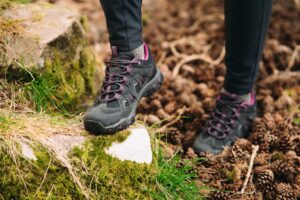
Weather changes fast, especially in places where hiking and camping are popular. One of the practical advantages of GO Outdoors is the range of equipment designed for different environments, from lightweight summer hiking to heavier waterproof layers and insulated winter gear.
This isn’t just about comfort, it’s about risk reduction. Proper footwear reduces slips on wet trails, breathable clothing prevents overheating, and waterproof layers keep core temperature stable when conditions shift. In outdoor environments, small gear decisions can have a real impact on safety and endurance.
How specialised categories make outdoor hobbies easier to stick with
Instead of treating “outdoors” as one broad activity, GO Outdoors breaks it into focused categories like camping, fishing, running, cycling, and walking. That separation might seem simple, but it helps people progress naturally.
A typical progression looks like this:
- Start with walking or day hikes
- Move into camping or overnight trips
- Expand into more technical gear or seasonal sports
- Upgrade equipment gradually instead of all at once
This structure makes outdoor hobbies feel less like a one-time event and more like a long-term lifestyle that evolves over time.
Why physical stores still matter in a digital shopping world
Even with online convenience, outdoor gear often benefits from physical checking. GO Outdoors supports both online browsing and in-store experiences, which is especially useful for items like tents, backpacks, or footwear where fit and feel matter.
Seeing gear in person helps answer questions that specs alone can’t:
- Does the backpack sit comfortably on your shoulders?
- Is the tent space realistic for your group?
- Does the jacket feel breathable or restrictive?
That physical reassurance reduces returns and improves confidence before heading into real outdoor conditions.
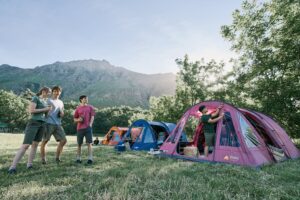
How outdoor gear becomes part of everyday wellbeing
The bigger impact of GO Outdoors isn’t just equipment access, it’s what that access enables. When gear is easier to obtain, people are more likely to spend time outside, whether that’s a quick walk, a weekend hike, or a camping trip.
That shift has a lifestyle effect:
- More time away from screens
- More physical movement without “gym pressure”
- More spontaneous travel and exploration
- A stronger connection to nature in everyday routines
Outdoor activity stops feeling like a planned event and becomes something that naturally fits into weekly life.
When preparation stops blocking adventure
At its core, GO Outdoors works because it removes small barriers that often stop people from going outside in the first place. Less confusion, more structure, and easier access to essential gear means fewer excuses and more actual time outdoors.
The real difference it makes isn’t just in what you buy, but in how often you decide to step outside and do something with it.