

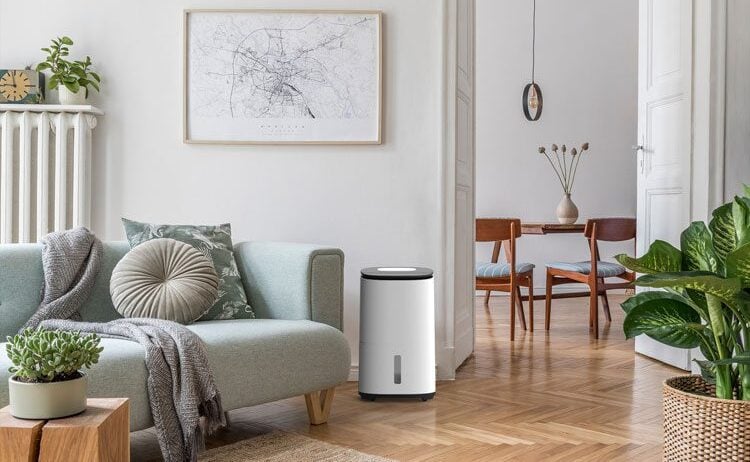
Indoor air quality is one of those things that most households ignore until something goes wrong. A persistent damp smell, condensation on windows, worsening allergy symptoms or an air conditioner that just can’t keep up, these are all signs that the air inside a home needs more attention than it’s getting. Meaco is a British brand that has built its reputation around solving exactly these problems, with a product range covering dehumidifiers, air purifiers and low-energy fans designed specifically for home use. The brand has been operating since the 1990s and has developed a following among buyers who want reliable, quiet performance without paying a premium for a well-known household name.
What the Brand Makes
The core catalog covers several distinct product types, each targeting a different need. Dehumidifiers come in sizes suited to different room dimensions and moisture levels, from compact desiccant models suited to smaller spaces and colder climates to compressor dehumidifiers for larger rooms. Air purifiers use multi-stage filtration to remove particulates, allergens and pollutants from indoor air. Meaco also produces a well-regarded line of fans, including tower fans and the Sefte range, which emphasize low noise output and energy efficiency over raw airflow. Each product category is developed with a specific use case in mind rather than trying to be all things to all buyers.
Desiccant vs. Compressor Dehumidifiers
The choice between a desiccant and compressor dehumidifier is one of the first decisions buyers face and it matters more than many people expect. Compressor models are generally more energy-efficient in warm conditions and work best when room temperatures are above around 15 degrees Celsius. Desiccant models use a heated rotor to absorb moisture and work effectively at lower temperatures, making them better suited for garages, conservatories and colder rooms in winter. Meaco produces both types and the product descriptions clearly outline which environment each model is intended for, which takes most of the guesswork out of the decision. Checking extraction rates against the size of the space is the most reliable way to match a unit to a specific room.
Why Air Quality Matters Indoors
- High humidity promotes mold growth on walls, ceilings and fabrics
- Dust mites thrive in warm, humid environments and are a common allergy trigger
- Poor ventilation traps cooking fumes, VOCs from cleaning products and outdoor pollution
- Condensation on windows can lead to long-term structural damage if left unaddressed
- Air purifiers with HEPA filters capture fine particles, including pet dander and pollen
The Energy Efficiency Angle
Running a dehumidifier or air purifier continuously adds to household electricity use, so energy efficiency matters beyond the initial purchase price. The brand has made this a design priority across several models, including the Arete range, which uses inverter compressor technology to adjust its output based on current conditions rather than cycling on and off at full power. This approach reduces electricity consumption over time while maintaining consistent moisture control. For air purifiers, auto modes that respond to real-time air quality readings avoid running the unit at full speed when it isn’t necessary, which keeps running costs down. Comparing wattage figures and estimated annual running costs between models is worth doing before committing, particularly for units that will run around the clock. Over a year, the difference between an efficient and an inefficient model can be significant enough to offset a higher upfront cost.
Practical Considerations Before Buying
Room size is the most important factor when choosing a dehumidifier or purifier, but it is not the only one. Noise levels matter for bedrooms and living rooms, where a loud unit will quickly become an annoyance. Tank capacity determines how often the unit needs to be emptied, which is a practical consideration for anyone who doesn’t want to tend to it daily. Continuous drain options, where a hose feeds directly to a sink or drain, eliminate this task entirely for long-term installations. Filter replacement frequency and cost should also be factored in for air purifiers, since ongoing consumable costs affect the total value of the product over several years. Meaco lists these specifications clearly on each product page, making it easier to compare options side by side before committing to a purchase.
Where These Products Fit
The range tends to suit households where a specific problem needs a targeted solution. A damp bedroom in an older home. A conservatory that turns muggy in summer. A living space where allergy sufferers are struggling despite regular cleaning. These are practical tools built for regular use, not novelty purchases. The reputation for quieter operation and reasonable running costs has helped Meaco build a loyal following among buyers who have gone through noisier or less efficient alternatives from other brands. For those looking to address humidity or air quality issues without overcomplicating the solution, the range is a practical place to start. Small improvements to indoor air can have a meaningful effect on daily comfort and long-term health, particularly for households with young children or anyone prone to respiratory issues.
Getting the indoor environment right takes the right equipment and matching the tool to the specific problem is where that process begins.